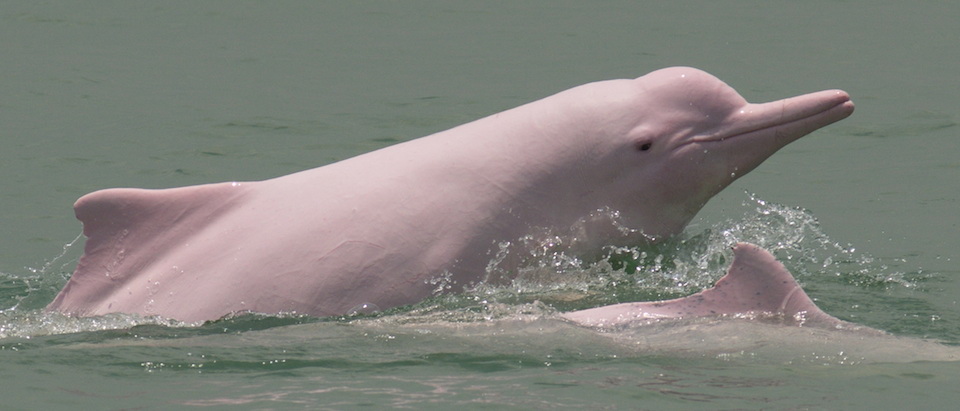
Indo-Pacific humpback dolphins (Sousa chinensis)
Lindsay Porter
A Letter to the Community Regarding Racial Injustice
SMM commits to our membership and our global community at large to do our part to actively create a diverse, inclusive and tolerant world.
Read the Journal
Marine Mammal Science publishes significant new findings on marine mammals resulting from original research.
Read OnlineBecome a Member
As a member, you’ll get:
• Subscription to the Marine
Sign Up
Mammal Science journal
• Discounted conference rates
• Access to members-only
web area
Welcome
to the international Society for Marine Mammalogy.
Our mission is to promote the global
advancement of marine mammal
science and contribute to its relevance
and impact in education,
conservation and management.
Latest News
April 8, 2024
Editors’ Select Webinar: Cost of migration and migratory timing in Western Australian humpback whales, with Grace Russell
by Sophia Volzke
You are invited to the next edition of the SMM Editors’ Select Webinar Series. This series highlights the latest and most exciting marine mammal science published in the Marine Mammal Science Journal. The SMM created this series to give scientists and citizens around the world a chance to engage with marine mammal scientists, learn, and ask […]March 13, 2024
SMM2024 Conference: Abstract and workshop submissions closing March 26!
by Sophia Volzke
Dear Marine Mammal Community, You are invited to join the Society for Marine Mammalogy’s 25th Biennial Conference on the Biology of Marine Mammals this November in Perth, Western Australia! Abstract and workshop proposal submissions for SMM2024 are due in two weeks time! The deadline for submissions is Tuesday, March 26, 2024 at 12 PM (noon), […]Read more on our News Page
Buy Magic Mushrooms Magic Mushroom Gummies Amanita Gummies